
What Was Built Here
Paris sits apart from a lot of what we cover out of Georgetown
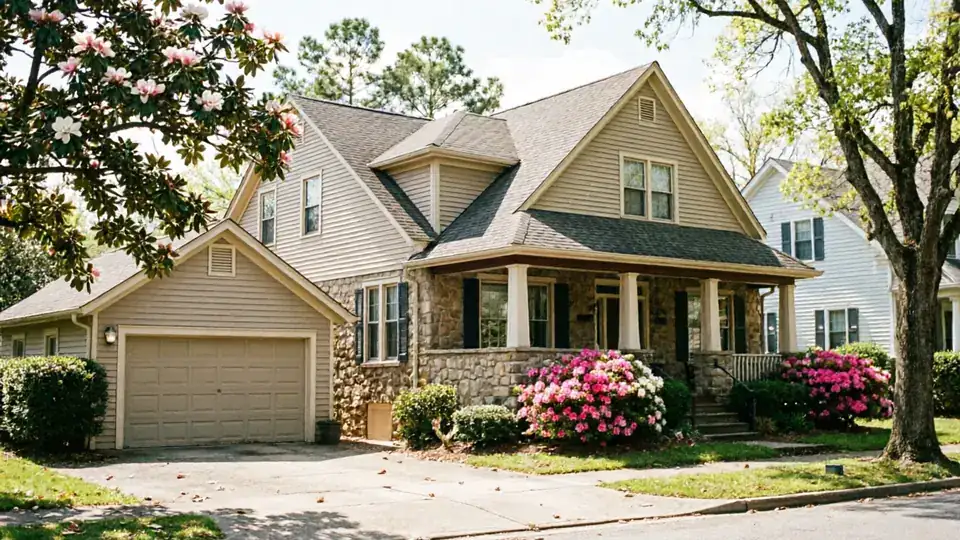
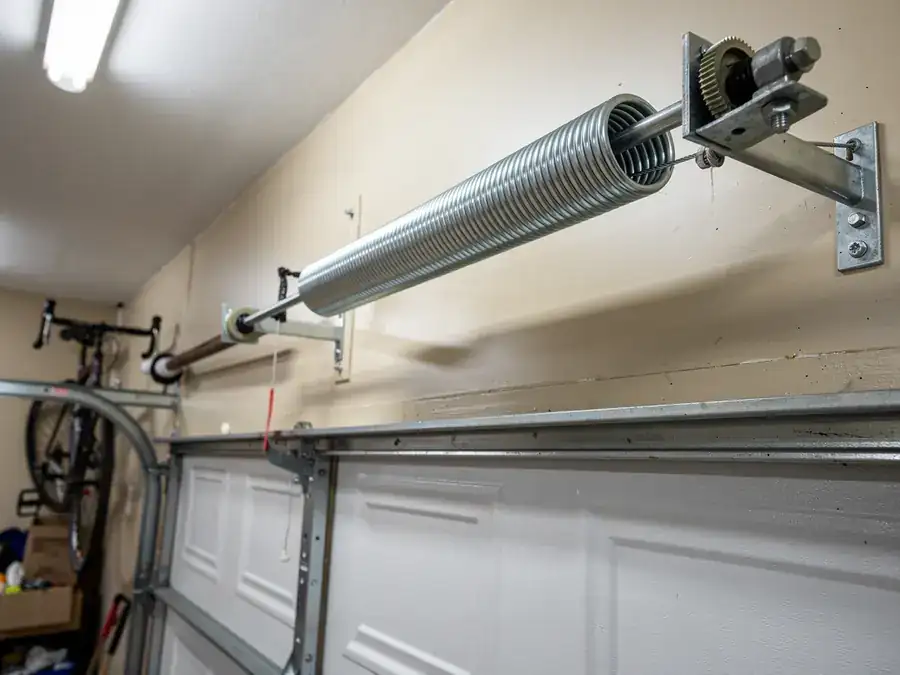
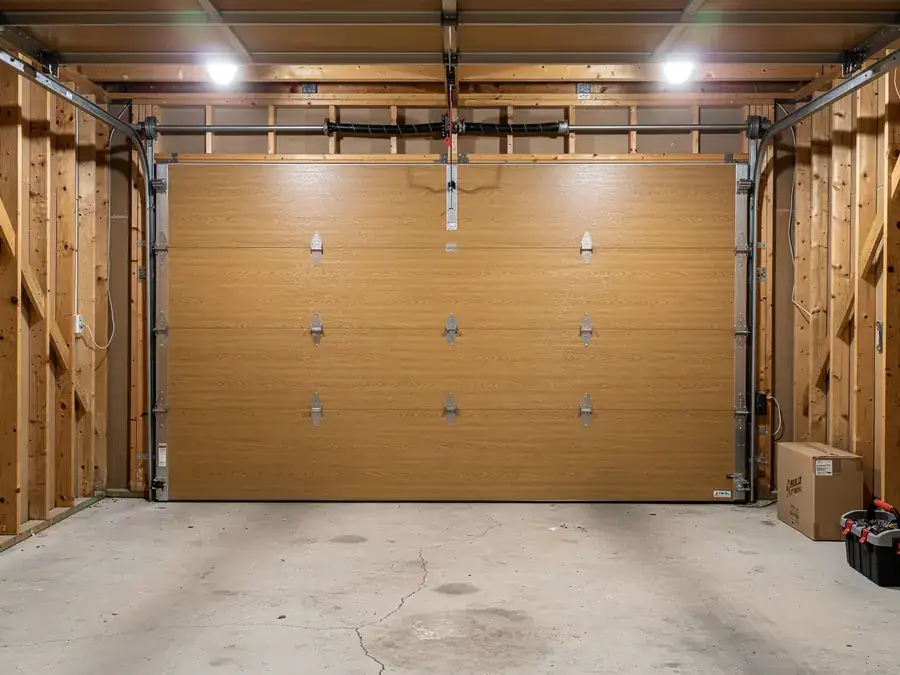
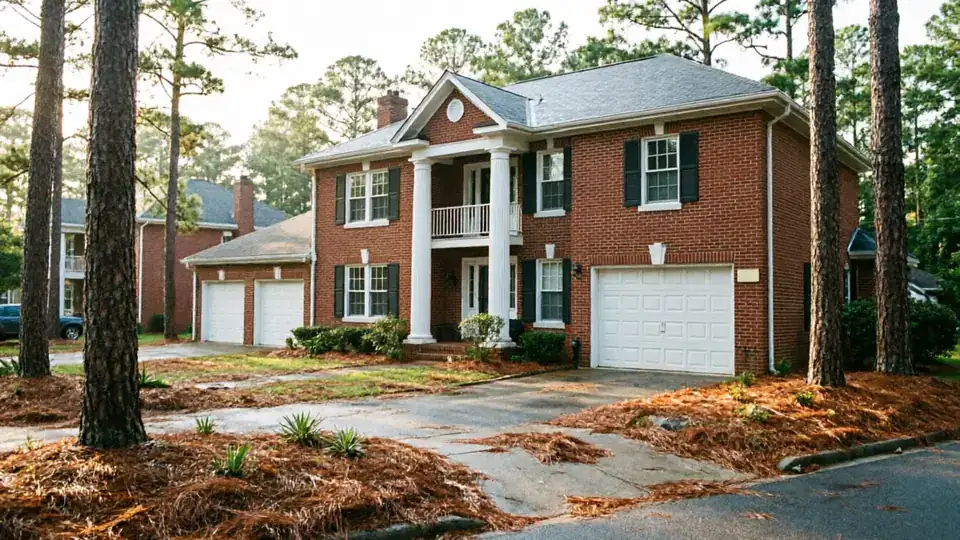
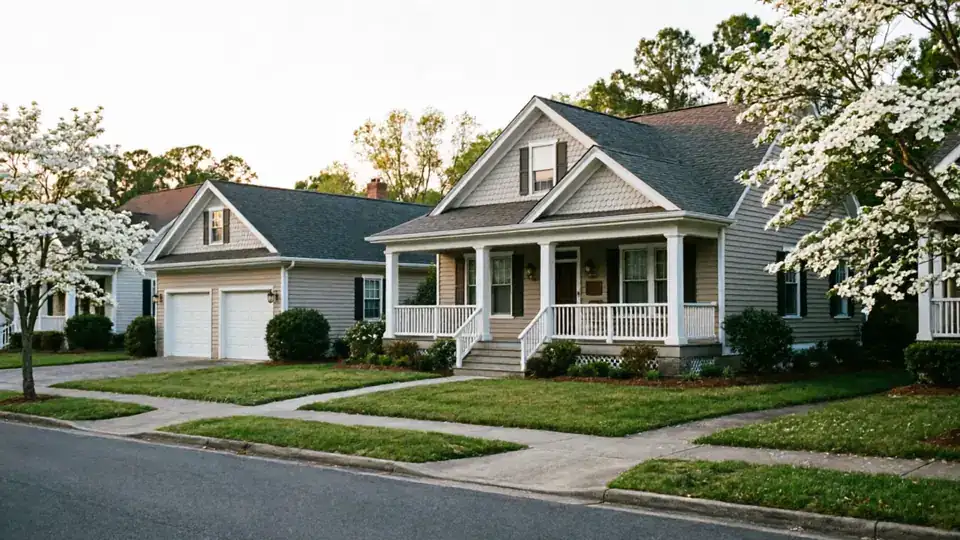
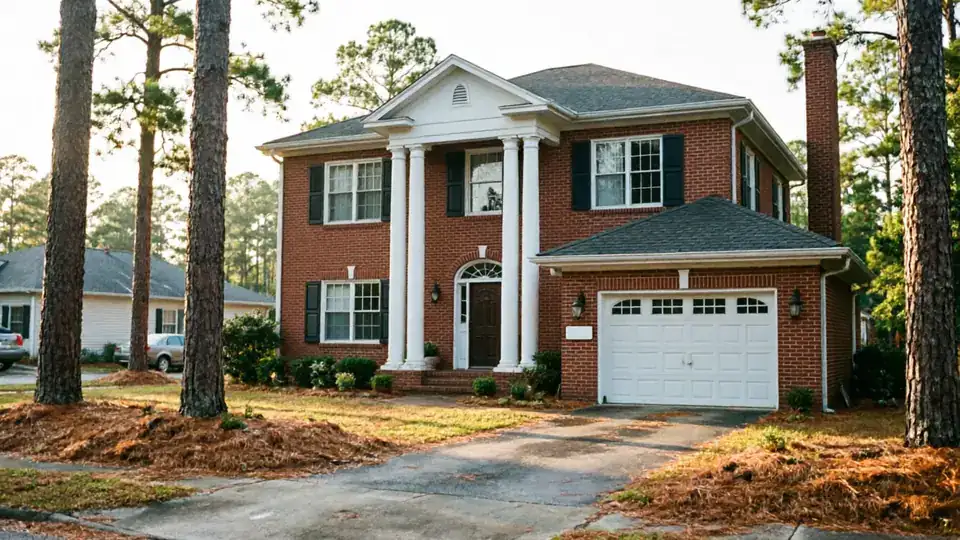
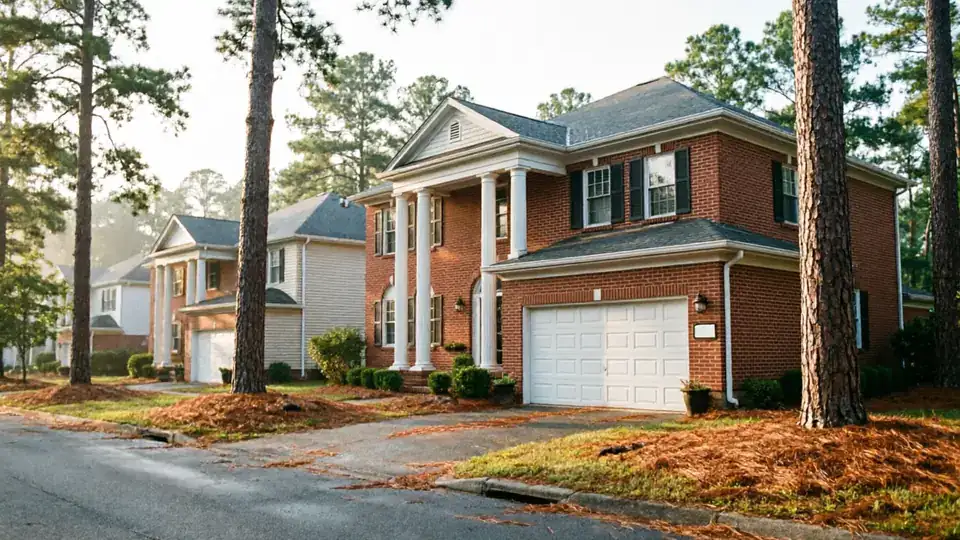
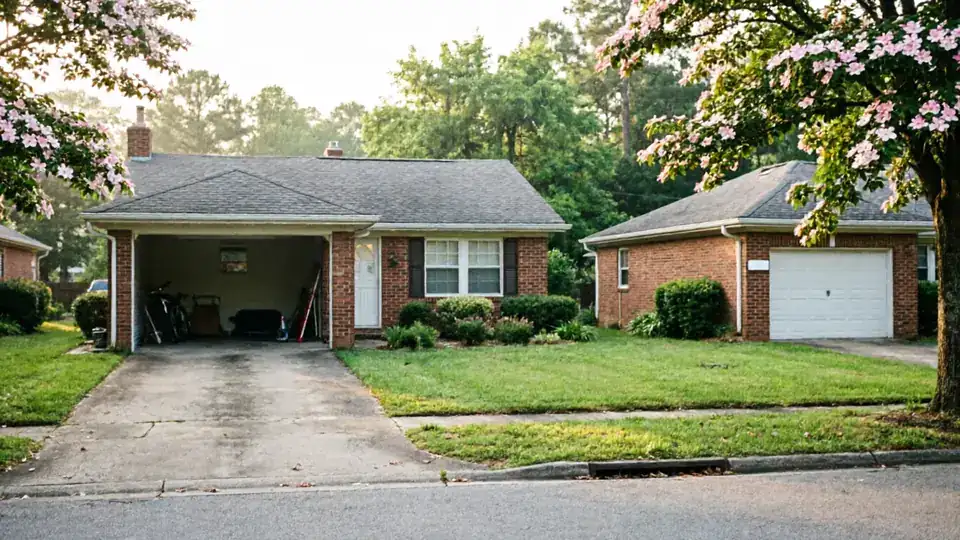
Across the six areas we serve, the median home dates to 1973, but Paris runs newer - a median build year of 1979. That six-year gap matters more than it sounds. By the late 1970s, builders had mostly moved off wood slab doors and onto steel sectional panels, usually hung on extension springs rather than the torsion setups that came standard later. Openers from that window were simple chain-drive units, often the first one a house ever had, and plenty are still the only one it's ever had.
That means a Paris service call looks different from a call in a neighborhood built a decade earlier
You're less likely to be dealing with a door that's structurally original and falling apart, and more likely dealing with hardware that's just old - springs that have cycled tens of thousands of times, rollers worn oval, an opener motor that still runs but takes three tries to catch. It's wear, not failure of a bad design. The bones of these doors were usually decent. What gives out first is whatever moves.
What People Here Ring About
Given the age bracket, the calls we get from this side of the county tend to cluster. Extension springs stretched past their rated cycle count, one side going first and pulling the door crooked in the track. Chain-drive openers from that era grinding instead of running quiet, usually a worn gear or a chain that's stretched enough to skip. Rollers that have gone from round to flat-sided, which you feel as a shudder every time the door passes the bend in the track.
We also hear from people whose door still works fine but whose remote or wall button has started acting up - not a wiring problem most of the time, just a control board that's outlived its expected life. None of this is dramatic. It's a house doing exactly what a 45-year-old house does. The honest version: most of what fails on a late-1970s door failed because it was due, not because something went wrong overnight.
What the Housing Means for Your Door
This area sits in a climate band we treat as cold and severe, and that interacts with door age in a specific way. Steel panels from the late 1970s rarely have much insulation behind them - foam-core doors weren't standard yet when most of Paris was built. In a hard winter, an uninsulated steel door flexes more with temperature swings, which stresses hardware that's already decades into its service life. A spring that might have another two winters in a newer, insulated door can be the one that lets go first in an older uninsulated one.
It also means weatherstripping matters more here than the part itself suggests. A worn bottom seal on a door this age isn't just a draft issue - it's letting cold air hit springs and cables that are already fatigued, which speeds up the exact kind of failure we get called out for. If your door is original to a late-1970s build, the spring and the seal are usually the two things worth checking before winter, not after.
What We Do Not Do
We work out of Georgetown, about 15 miles from Paris
And we don't keep a depot or staff here - every job means a drive out, which we're upfront about when you call. We also don't stock every part for every opener model from the 1970s; some of that hardware is long discontinued, and if your motor needs a specific obsolete part, replacement is usually the faster and more sensible call than hunting down a match.
- 15 miles
We don't do custom or architectural door fabrication
And we're not the right call if what you want is a decorative carriage-style door built to a one-off design. For a straight repair or a standard replacement on a sectional steel door, that's the work we take on. If a job is outside that, we'll say so rather than take the call and figure it out later.









