
The Problem
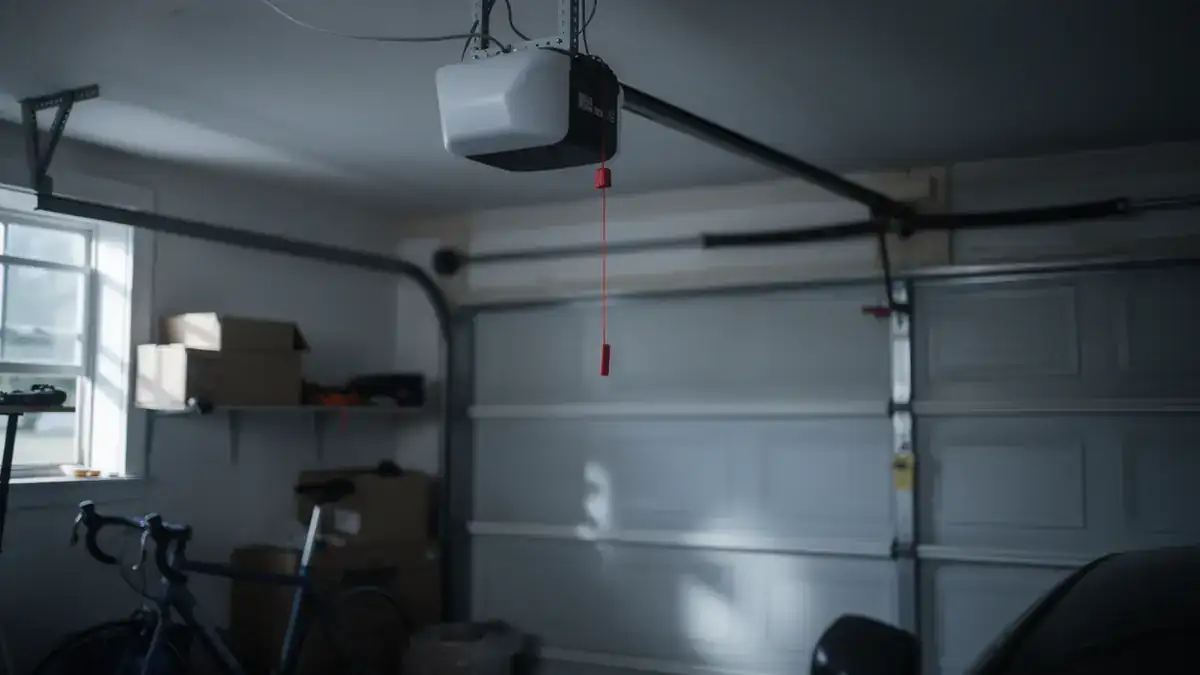
A power cut doesn't break your opener. What it does is strand the door, mid-track, with no way to release it unless you know where the manual release cord is and the track isn't rusted stiff. In Georgetown, where F1 puts median construction at 1973, a lot of garages still have the original steel track and roller hardware from that build, which means decades of expansion and contraction in a cold-winter climate. That hardware doesn't fail because of the outage - it fails because it was already tired, and the outage is just the moment you find out. Owners in the six named areas that make up most of this older stock run into this the same way: the lights come back on, but the door won't respond, and now it's a hand-crank job until someone looks at the rail.
How Local Conditions Play In
This area sits in a severe cold climate band, and cold does two things to a garage door system that a mild climate doesn't. First, it stiffens the lubricant on rollers and hinges, so a door that was already borderline during a power cut becomes harder to hand-lift the moment you lose power to the opener. Second, it contracts steel track and panel seams just enough that doors installed decades ago - which, per F1 and F2, is most of the housing stock in this area - sit slightly out of plumb compared to the day they went in. That's not a defect, it's forty-plus years of freeze-thaw doing what freeze-thaw does. Combine an older opener, older track, and a cold snap with a power cut, and you get the calls we actually see: a door that won't budge by hand because nobody's touched the manual release since the house was built.











