
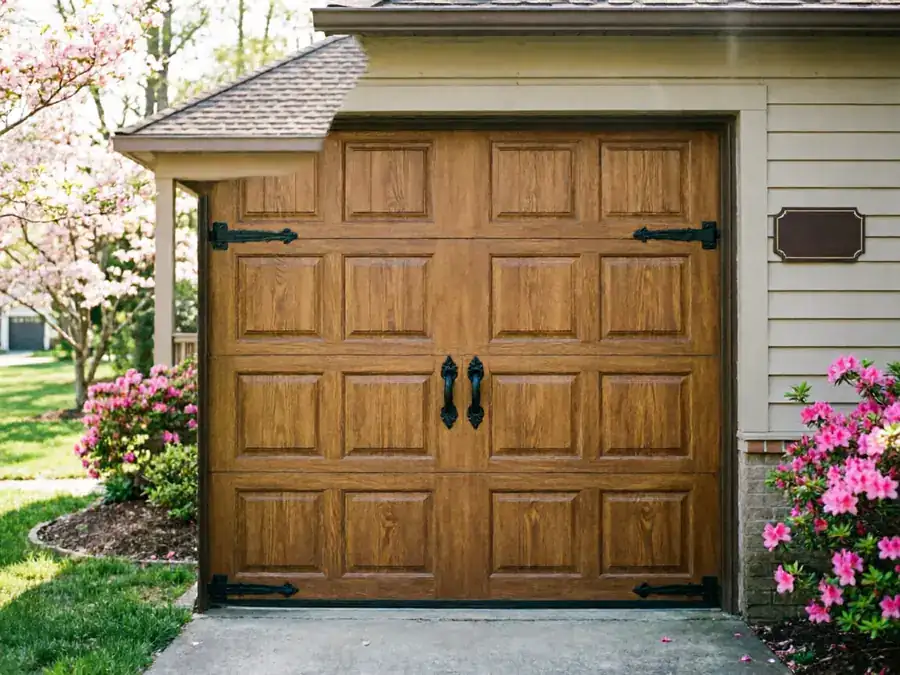
What People Here Ring About
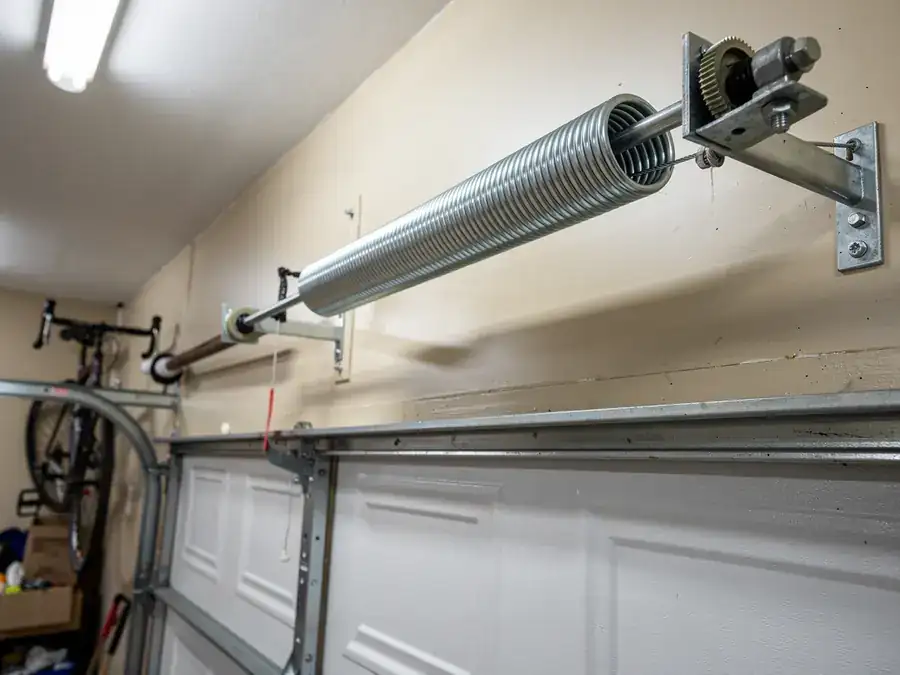
The calls we get from Frankfort addresses tend to cluster around a few things. Torsion springs that let go on doors nobody's touched since they were installed - not surprising given how much of the stock here is from the early 70s. Openers that have been swapped once already (sometimes twice) while the door and track stayed original, which creates a mismatch between a newer opener's force settings and an old, heavier door. And rollers and cables that have worn past the point of a quick fix because the door's been limping along for a year or two before anyone called. With a median household income of $54,438 in this area, a lot of folks here are weighing repair against replacement carefully, and we'd rather give you a straight answer on which one actually makes sense than push a sale.
What the Housing Means for Your Door
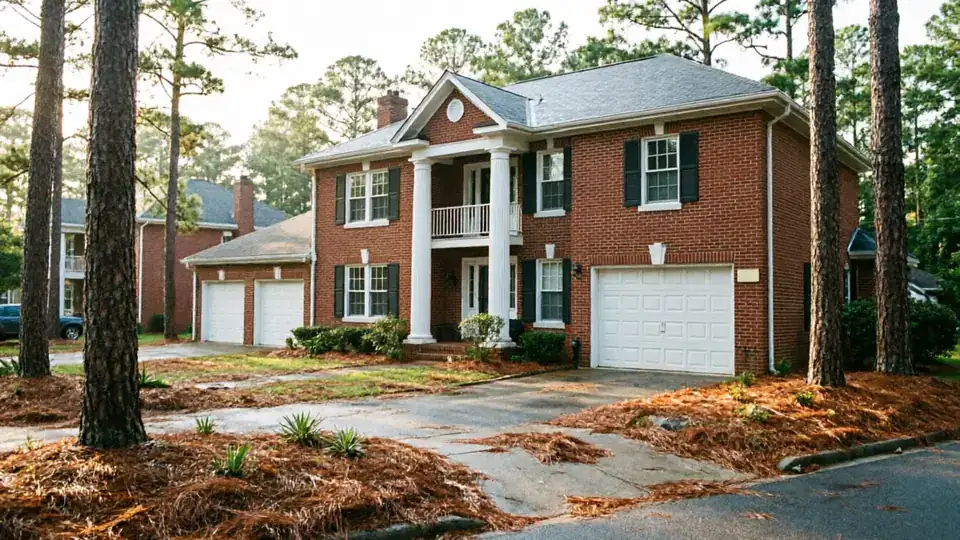
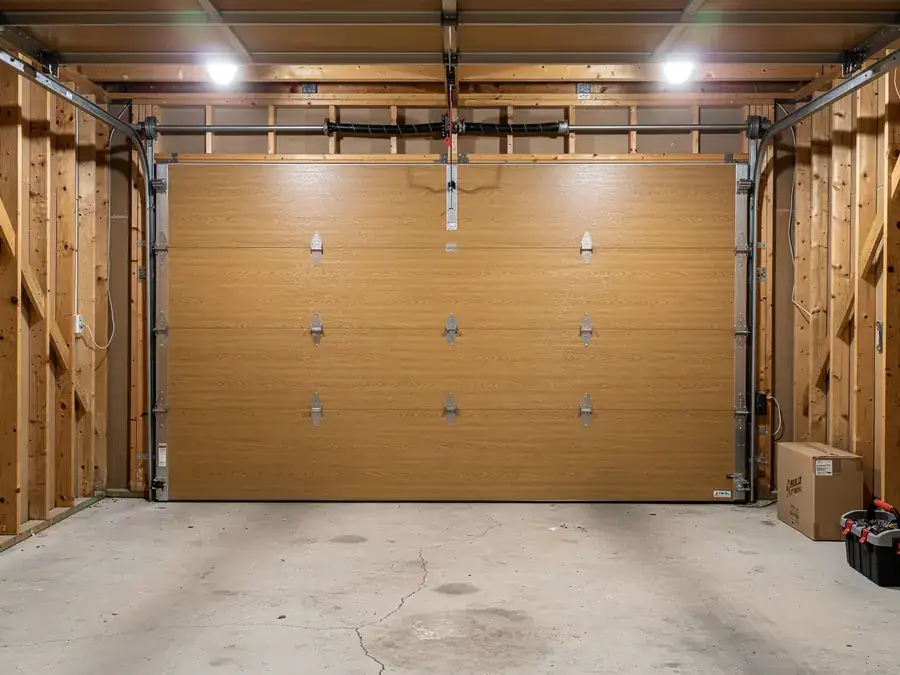
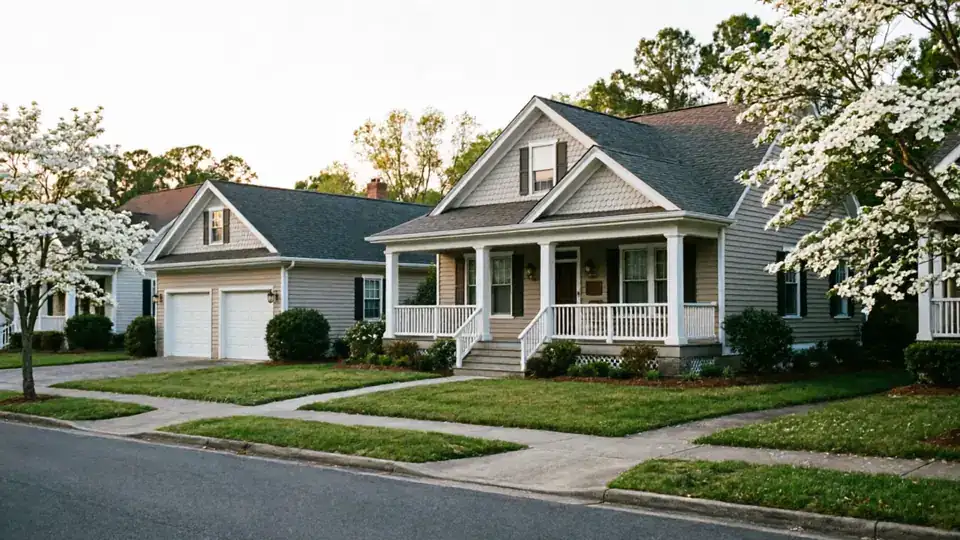
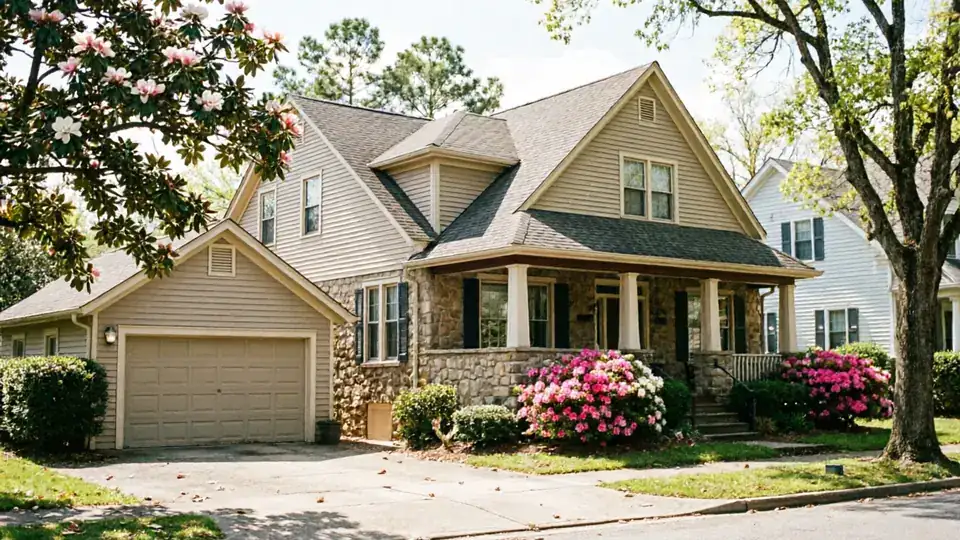
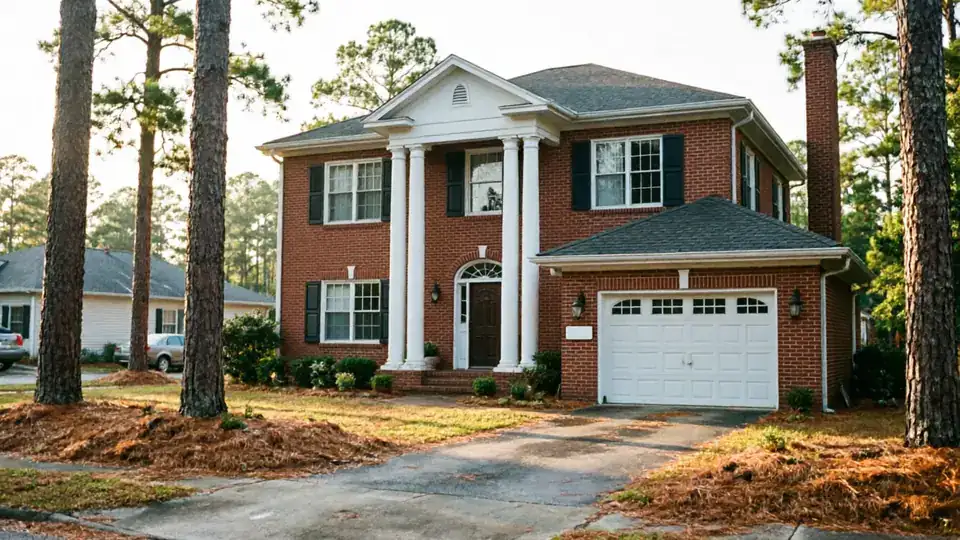
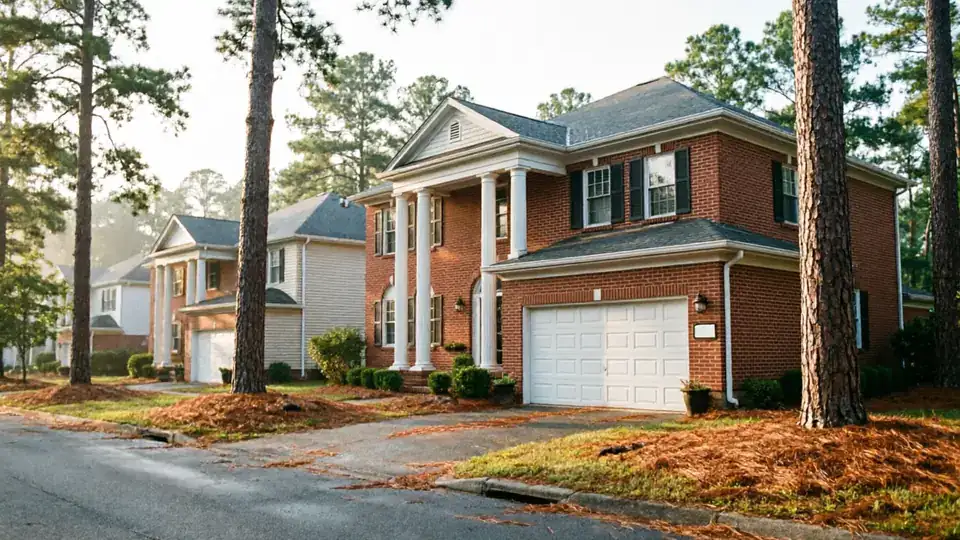
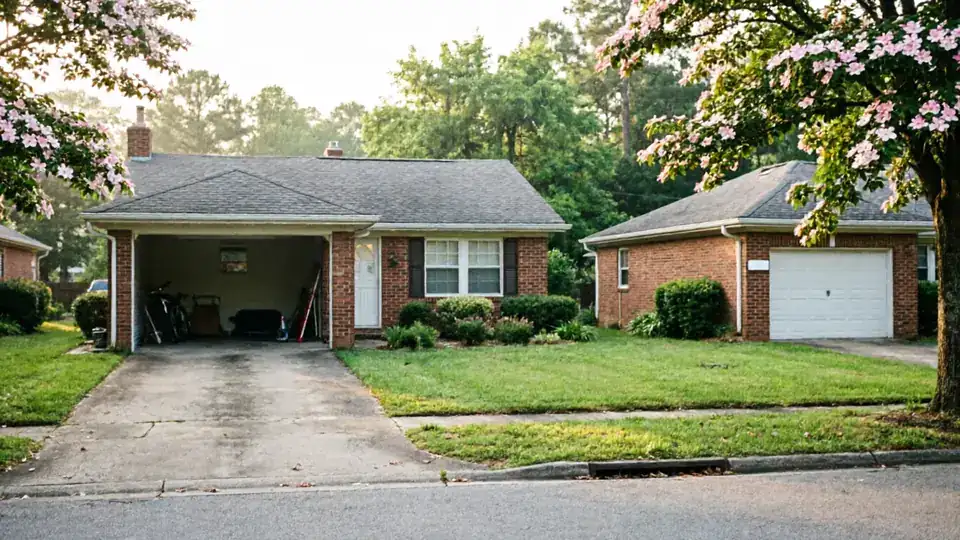
With roughly 12,763 households in this part of the coverage area and most of the houses dating to the early 1970s, the common pattern is a door that's original or close to it, paired with an opener that's been replaced once. That combination is where most of the trouble starts - spring sizing, drum spacing, and travel limits that were set for a different setup than what's currently hanging there. This region also falls in a cold, severe winter climate band per federal climate data, which is hard on doors of this age in a specific way: steel panels from the early 70s often don't have the insulation or weatherstripping channels that later doors do, so cold makes old seals brittle and old springs lose tension faster. If your door is sticking or dropping unevenly in winter, age and climate are usually working together on it, not one or the other.









